Specialists in classic vehicle insurance for over 40 years

UK-based support available 9am to 6pm, every weekday

Tailored policies for every customer

Classic car battery care in cold weather: chargers, kill switches and common mistakes

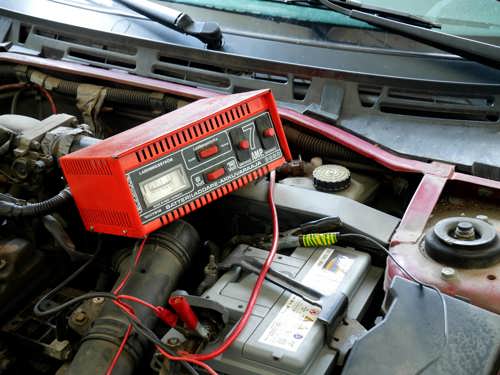
A car battery exposed by an open bonnet

When winter rolls in and temperatures dip, classic car owners face a seasonal challenge that’s often overlooked: battery care. Unlike modern daily drivers, classic vehicles don’t always enjoy the benefits of modern battery management systems or regular use, making them more susceptible to battery drain, corrosion, and failure when the mercury drops. 

If you’re preparing to put your classic in storage for a few months it’s important to keep the battery in peak condition. From smart chargers to kill switches, and the pitfalls to avoid, here’s everything you need to know. 
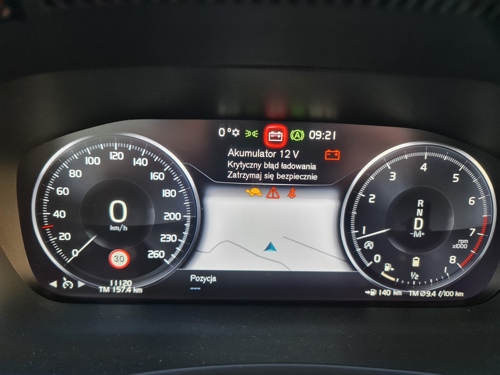
12v car battery critical charging

Why cold weather is tough on classic car batteries

Batteries don’t like the cold. In fact, a fully charged lead-acid battery can lose about 35% of its power at 0°C, and up to 60% at -17°C. For classic cars, which often have older-style batteries and electrical systems, this makes them especially vulnerable. 

Combine that with long periods of inactivity, and it’s a recipe for a flat battery - or worse, a dead one. 

One of the best defences against winter battery woes is a smart charger - also known as a battery maintainer or conditioner. These devices are designed to keep your battery topped up without overcharging it, making them ideal for cars that are stored for extended periods.

Unlike traditional trickle chargers, which apply a constant low charge, smart chargers monitor the battery’s condition and adjust the charge rate accordingly. Many models also have desulfation modes, which help break down the lead sulfate crystals that form on battery plates over time, prolonging battery life. 

Using a smart charger is a simple plug-and-play solution: connect it, leave it, and let it do the rest, while another useful tool in your winter battery care arsenal is the battery kill switch - also called an isolation switch or cutoff switch. Classic cars often suffer from parasitic battery drain due to ageing wiring, alarm systems, or clocks. A kill switch lets you disconnect the battery entirely with the turn of a key or lever, preventing drain while the car is off. 

Kill switches are inexpensive, easy to install, and a great theft deterrent to boot. For winter storage, combining a smart charger with a kill switch offers the best of both worlds: continuous maintenance charging and full electrical isolation when needed. 

Common mistakes with battery charging

While the tools above are helpful, poor battery practices can undo all your good intentions. Here are some classic battery care mistakes to steer clear of:

1. Letting the battery go flat

Allowing a battery to discharge fully - especially repeatedly - can cause irreversible damage. Lead-acid batteries are not designed to be deep-cycled, and every full discharge reduces their lifespan.

2. Leaving the battery connected without maintenance

Even if the car is off, things like alarms, radios, and electronic ignition systems can draw current. If you’re not using a kill switch or smart charger, your battery will gradually discharge.

3. Using a cheap or non-automated charger

Standard trickle chargers can overcharge your battery if left connected, leading to gassing, plate damage, and electrolyte loss. Always use a smart charger for long-term maintenance.

4. Storing the car in a damp environment

Cold is one thing - but moisture is another battery killer. Damp storage conditions accelerate corrosion on terminals and connections. If possible, store your car in a dry, ventilated space and consider using dielectric grease on terminals.

5. Terminal cleaning

Corrosion on battery terminals creates resistance and reduces charging efficiency. Clean the terminals with a wire brush and apply petroleum jelly or terminal grease to prevent build-up.

Car battery charging

Removing the battery

Some owners choose to remove the battery entirely during winter and store it indoors. This can work well, especially in unheated garages. Just remember to store it upright in a cool, dry place, avoid placing it directly on cold concrete floors and only use a charger periodically or leave it connected to a smart charger 

If you remove the battery, be sure to note your radio codes, clock settings, or any immobiliser functions that might be affected. 

Caring for your battery during the colder months isn’t just about preservation - it’s about confidence. Come springtime, there's nothing more satisfying than turning the key and hearing that engine roar to life on the first try. 

And while you're investing time in winter maintenance, it's worth making sure your classic car insurance is just as well-prepared. Keeping your vehicle road-ready is one thing - protecting your investment is another. 

From pre-war saloons to '80s icons, winter battery care is a small effort that pays off in reliability, safety, and peace of mind. Keep it charged, keep it clean, and you’ll be rewarded when the open road calls again.